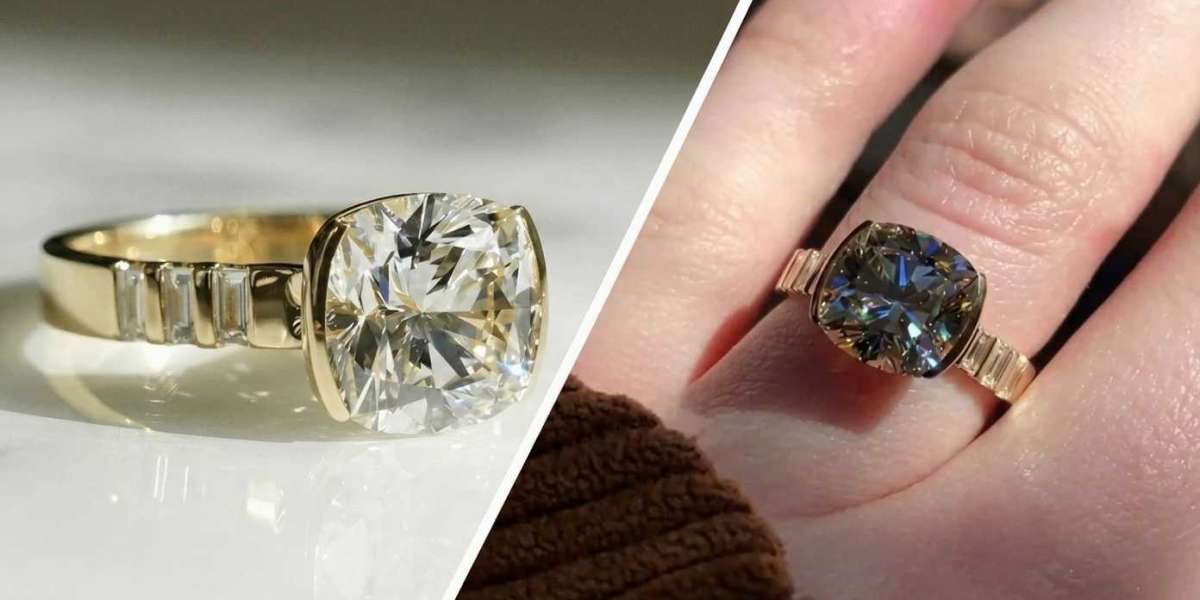

Choosing the right diamond involves more than selecting a beautiful shape. The measurements and proportions of a diamond play an important role in how it appears, reflects light, and balances with a jewelry design. Among popular diamond shapes, cushion cut lab grown diamond rings are appreciated for their soft square outline, rounded corners, and distinctive faceting patterns. Understanding their proportions helps buyers make confident decisions when comparing different options.
A cushion diamond’s appearance depends on several factors, including table size, depth percentage, length-to-width ratio, and symmetry. These details influence the overall look of the stone and help determine whether the diamond has the desired visual character. Buyers exploring a cushion cut lab grown diamond engagement ring should understand these measurements before selecting their preferred design. Many modern buyers also check out more cushion cut lab grown diamond rings styles to find designs that combine brilliance, comfort, and timeless appeal.
Why Cushion Diamond Proportions Matter
Diamond proportions describe the relationship between different parts of a stone. These measurements affect how light moves through the diamond and how the shape appears from different angles. Two cushion diamonds with the same carat weight can look different because their proportions may not be identical.
For buyers considering a lab grown cushion cut diamond ring, proportions are useful for comparing diamonds beyond basic details such as carat weight and color. A well-balanced cushion diamond can provide a pleasing shape while maintaining good visual appeal.
The goal is not always to find identical measurements but to understand how each factor contributes to the diamond’s overall appearance.
Understanding Table Percentage in Cushion Diamonds
The table is the flat surface located on the top of a diamond. Table percentage represents the width of this surface compared with the diamond’s total width.
A properly balanced table size allows light to enter and move through the stone effectively. If the table is too large, the diamond may appear flatter. If the table is too small, the stone may have a heavier appearance.
When reviewing cushion cut diamonds, buyers should compare table percentages along with other measurements rather than judging this feature alone. The table works together with depth, cut style, and faceting arrangement to create the final appearance.
The Role of Diamond Depth Percentage
Depth percentage measures the height of the diamond compared with its width. This factor influences how large the diamond appears when viewed from above.
A diamond with excessive depth may look smaller from the top because more of its weight is hidden below the surface. On the other hand, a diamond with very low depth may not have the ideal structure for balanced light performance.
For cushion cut lab grown diamond rings, selecting a stone with a balanced depth percentage can help achieve a proportional appearance. Buyers should review depth alongside the diamond certificate information to understand the complete structure of the stone.
Length-to-Width Ratio and Cushion Shape
The length-to-width ratio determines whether a cushion diamond looks more square or rectangular. This measurement is calculated by comparing the diamond’s length with its width.
A ratio close to 1.00 usually creates a square cushion appearance. Slightly higher ratios produce a more elongated shape. The preferred ratio depends on personal style and the overall design of the jewelry.
Some buyers prefer a classic square cushion, while others enjoy a longer shape that creates a different visual presence. When selecting a cushion cut lab grown diamond engagement ring, checking the ratio helps buyers find a shape that matches their preference.
Cushion Faceting Styles and Visual Character
Cushion diamonds are available in different faceting styles, including cushion brilliant and cushion modified brilliant designs. These styles influence how the diamond displays its patterns and reflections.
Cushion brilliant cuts often feature broader facet arrangements, while modified versions may include additional facets designed to create a different appearance.
The faceting style should be considered together with proportions because both factors affect the final look of the diamond. A well-proportioned stone with a suitable faceting pattern can create a balanced appearance that many buyers appreciate.
Symmetry and Its Importance
Symmetry refers to how evenly the diamond’s facets and shape are aligned. Good symmetry helps create a consistent appearance throughout the stone.
When examining a cushion diamond, buyers should look at how evenly the corners, edges, and facet patterns are arranged. Symmetry is especially important because cushion diamonds have rounded corners and curved edges that require careful shaping.
A diamond with balanced symmetry can complement different jewelry designs and provide a refined overall look.
Cushion Diamond Proportions and Carat Appearance
Carat weight does not always determine how large a diamond looks. Two diamonds with the same carat weight may appear different because of their proportions.
A cushion diamond with better spread can look larger from the top, while a deeper diamond may carry more weight below the surface. This is why buyers should consider measurements rather than focusing only on carat numbers.
When comparing lab grown cushion cut diamond ring options, reviewing dimensions can help identify stones that provide the preferred visual size.
Color and Clarity Considerations Along With Proportions
Although proportions are important, they should be considered with other diamond qualities. Color and clarity influence the overall appearance of a cushion diamond.
A balanced combination of cut characteristics, color grade, and clarity grade helps create a diamond that matches the buyer’s expectations. A higher clarity grade is not always necessary if the diamond already has a pleasing appearance to the eye.
Buyers should evaluate each characteristic together instead of choosing a diamond based on only one specification.
How to Review Cushion Diamond Details Before Buying
Before purchasing a cushion diamond, buyers should review the available information carefully. Important factors include:
- Diamond dimensions
- Table percentage
- Depth percentage
- Length-to-width ratio
- Symmetry grade
- Faceting style
- Certification details
These details provide useful information about the diamond’s structure and help buyers compare different stones.
At Antiquecut, shoppers can explore different diamond choices while understanding the measurements that influence each stone’s appearance. Taking time to review these details makes the selection process easier and more informed.
Choosing the Right Cushion Diamond Proportion for Your Style
The ideal cushion diamond proportion depends on personal preference. Some buyers prefer a compact square shape, while others choose a slightly elongated design.
A square cushion can create a traditional appearance, while a rectangular cushion may offer a different profile. The best choice depends on the wearer’s style, hand appearance, and jewelry design.
Buyers looking for a cushion cut lab grown diamond engagement ring should focus on finding a combination of measurements that creates the desired shape and appearance.
Factors to Compare When Shopping for Cushion Diamonds
| Proportion Factor | What It Affects |
|---|---|
| Table Percentage | Influences the top view and overall balance |
| Depth Percentage | Impacts face-up size and structure |
| Length-to-Width Ratio | Determines square or rectangular appearance |
| Symmetry | Affects shape consistency |
| Faceting Style | Influences diamond pattern and visual character |
Comparing these factors helps buyers understand why two cushion diamonds with similar specifications can appear different.
Making a Confident Cushion Diamond Selection
Selecting a diamond is a personal decision that combines technical knowledge with individual taste. Cushion diamonds offer a unique shape, and understanding their proportions helps buyers identify a stone that matches their expectations.
Rather than focusing on a single measurement, buyers should consider how all proportion factors work together. A balanced diamond can provide a pleasing appearance while fitting the preferred jewelry style.
Those interested in learning more about available options can check out more cushion diamond selections and compare different measurements before making a final choice.
Conclusion
Understanding cushion diamond proportions is an important step when choosing the right stone. Factors such as table percentage, depth, length-to-width ratio, symmetry, and faceting style all contribute to the final appearance of cushion diamonds.
For buyers exploring cushion cut lab grown diamond rings, knowing how these measurements work together can make the selection process clearer. A carefully chosen diamond with balanced proportions can match personal preferences and create a meaningful piece of jewelry designed for lasting memories.