
An educational campus with a sprawling academic block, hostel wing, and administrative building recently found its monthly electricity bill rising faster than its student enrollment. Facility staff began exploring rooftop solar, and the first roadblock was the same one every homeowner and institution runs into: nobody could give them a straight answer on cost without first understanding their load.
That's the honest starting point for anyone researching a solar system for home or institutional use — the price depends on variables specific to the site, not a fixed catalog number.
Understanding What You're Actually Paying For
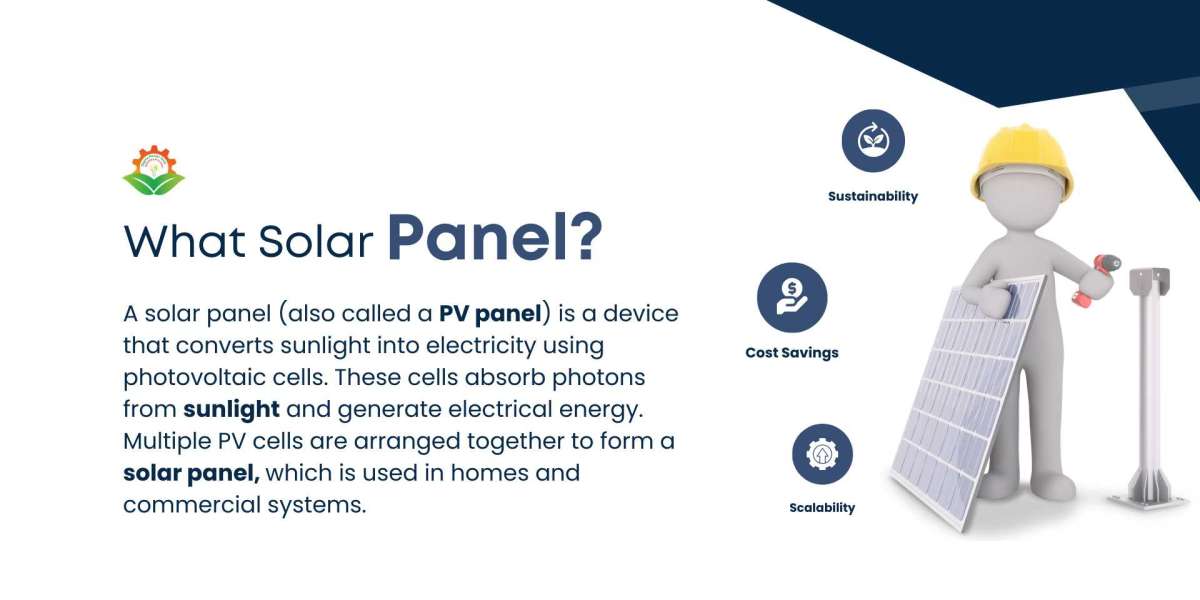
A solar installation isn't a single product; it's an integrated system of panels, inverter, mounting structure, wiring, and protection equipment. Panels convert sunlight into DC electricity through the photovoltaic effect, and the inverter converts that into usable AC power synchronized with household or grid frequency.
Solar panel system cost is driven primarily by three things: system capacity in kW, panel technology, and inverter class. Everything else — mounting, wiring, labor — scales in proportion but rarely dominates the quote.
Solar System for Home Price by Panel Technology
Monocrystalline panels cost more per watt but deliver higher efficiency, making them the practical choice where roof space is limited. Polycrystalline panels are more economical per panel but need a larger footprint for the same output. Thin-film technology, while flexible and lightweight, is rarely the right fit for a typical rooftop and is mostly used in specialized industrial contexts.
System Architecture: On-Grid, Off-Grid, and Hybrid
Grid-tied systems are the default for most urban homes because they allow net metering — exporting surplus generation to the utility and drawing credit against future bills. Off-grid systems depend entirely on battery banks and suit locations without dependable grid access. Hybrid configurations blend both, providing backup during outages while still participating in net metering during normal operation.
Battery storage is the single largest cost addition beyond the panels and inverter. Lithium-based storage costs more upfront than lead-acid but offers a longer cycle life and better depth-of-discharge performance.
What Determines the Final Number
Rather than quoting flat prices, it's more useful to understand the actual cost drivers:
- Rooftop area, orientation, and shading conditions
- Real energy consumption pattern, ideally from 12 months of bills
- Panel and inverter technology selected
- Battery storage requirement, if any
- Net metering application and grid connection charges
- Installation and commissioning labor
- Ongoing AMC and solar panel maintenance services
A site with clean south-facing roof exposure and no shading will need a smaller system for the same output as a partially shaded or east-west facing roof — which directly changes the quoted price.
Features Worth Paying For
Not every rupee spent on a solar system adds equal value. Features genuinely worth prioritizing include:
- Modular, scalable design for future capacity addition
- App-based real-time generation monitoring
- Automated fault and underperformance alerts
- Grid synchronization for reliable net metering
- Weather and temperature-tolerant panel construction
- 25-year-plus rated operational life
Predictive maintenance alerts, in particular, catch string-level underperformance early — before it compounds into a meaningful generation loss over a billing cycle.
Where This Applies Beyond a Single House
The same engineering principles behind a residential rooftop solar system apply, with adjusted scale, to hospitals, hotels, warehouses, shopping complexes, and government buildings. Larger sites often benefit from a distributed solar system model — multiple smaller arrays across different roof sections — rather than one centralized installation, since it reduces the impact of localized shading or equipment faults on total output.
Evaluating an Installation Partner
Cost comparisons across installers only make sense once you're comparing equivalent scope. Look for MNRE and BIS compliance, documented warranty terms on both panels and inverter, and clarity on what's included in commissioning versus billed separately afterward. Providers like Sigma Power Tech solar panel system installations are worth evaluating on these specifics rather than the headline quote alone, since warranty depth and after-sales support materially affect the total cost of ownership over 25 years.
Ask any shortlisted provider for a completed solar system project reference you can inspect, along with actual generation data if available.
Costly Mistakes That Inflate the Real Price
- Sizing the system on assumed rather than measured consumption
- Choosing the cheapest panels without checking degradation rates
- Skipping a proper shading and orientation assessment
- Ignoring inverter-panel compatibility, which affects long-term efficiency
- Treating net metering approval as an afterthought
- Underbudgeting for AMC and postponing preventive maintenance
Each of these looks like a saving on day one and turns into a real cost within two to three years, through reduced output or voided warranty claims.
Final Assessment
The honest answer to what a solar system for home costs is that it depends on load, roof conditions, panel choice, and how much of the installation you want automated and monitored. A properly engineered system, sized against real consumption and installed by a provider with verifiable compliance and warranty backing, typically pays for itself well within its rated lifespan — while delivering genuine energy independence and a measurable reduction in dependence on grid power.